Transforming the way we produce food has never been more urgent
ALIADOS works alongside farmers, enterprises, and markets to build regenerative economies that provide better incomes for farmers while conserving some of Ecuador’s most biodiverse ecosystems.
From the Tropical Andes to the Amazon and the Ecuadorian Chocó, we bring regenerative agriculture, bioeconomy, responsible markets, and conservation together to demonstrate that people can thrive while caring for biodiversity.
ALIADOS was born from a shared belief in the power of agroforestry and community enterprise to align development and conservation in critical tropical ecosystems.
Since 2018, ALIADOS has developed deep expertise in sustainable value chains, community enterprise, and place-based development—pioneering new ways of doing business across the Tropical Andes, the Amazon, and Ecuador’s Chocó.
Today, we help rural enterprises grow by adopting regenerative practices, protecting the landscapes they depend on, and connecting with responsible markets.
2008
RUNA Foundation
In a hybrid model with RUNA LLC, RUNA Foundation created the first guayusa tea supply chain from scratch with 2,000 Indigenous farmers in the Amazon. This pioneering experience showed the potential of fair-trade agroforestry supply chains to alleviate poverty and conserve forests.
2014
PlanJunto Ltda.
A mission-based consulting business building community-based enterprises in the Amazon.
2018
Merger and creation of ALIADOS
In 2018, Fundación Runa and PlanJunto merged to create ALIADOS and bring their combined expertise and approaches to new products, communities, and landscapes.
2019
Expansion into new products, communities, and ecosystems
ALIADOS expanded its work into new value chains across the Andes, Amazon, and the Andean Chocó, supporting more farming communities and enterprises.
2020
Consolidating bioeconomy and regenerative agriculture
ALIADOS consolidated a model that integrates regenerative agriculture, bioeconomy, conservation, and responsible markets to strengthen local economies in critical tropical ecosystems.
Where We Work
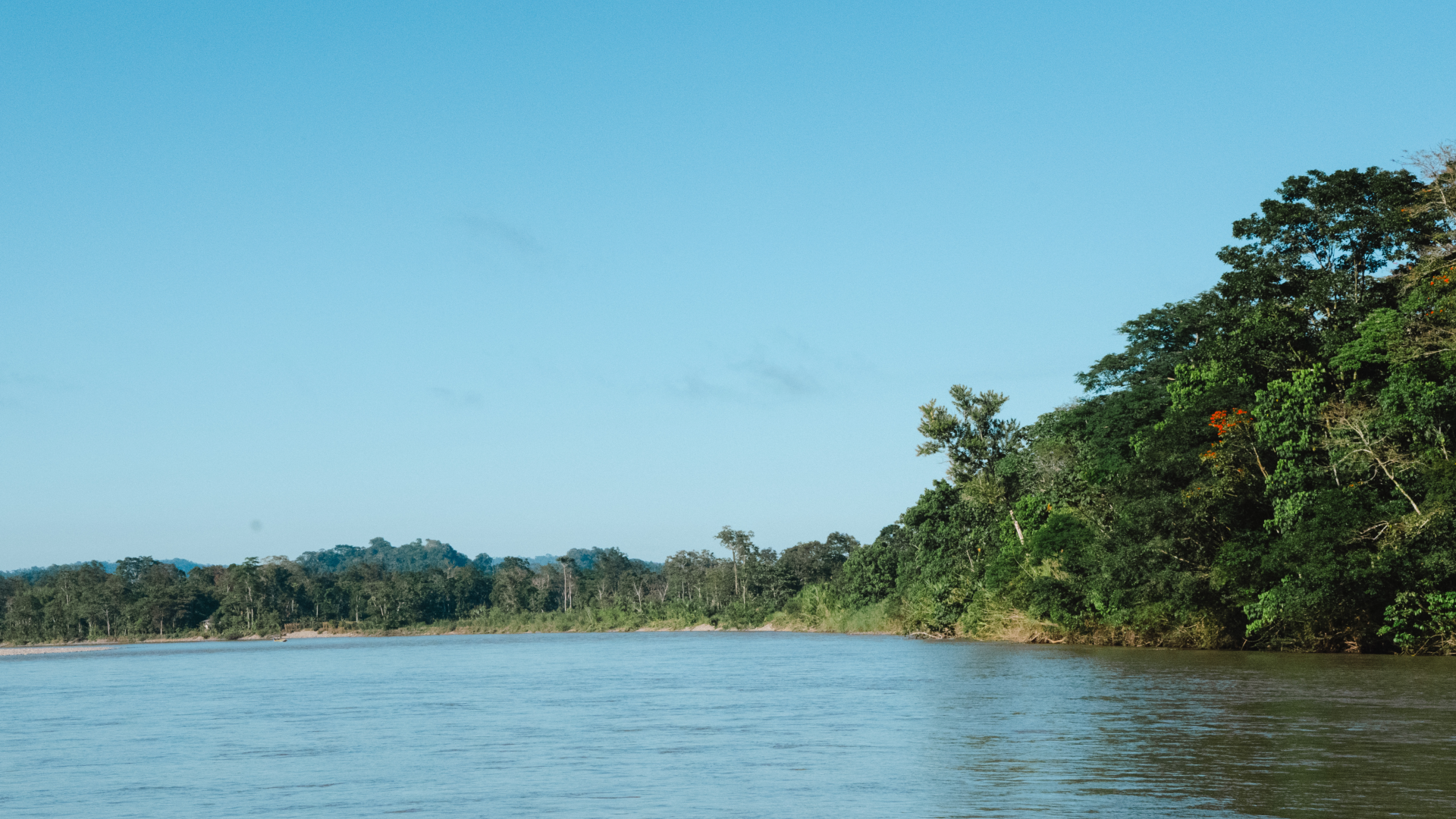
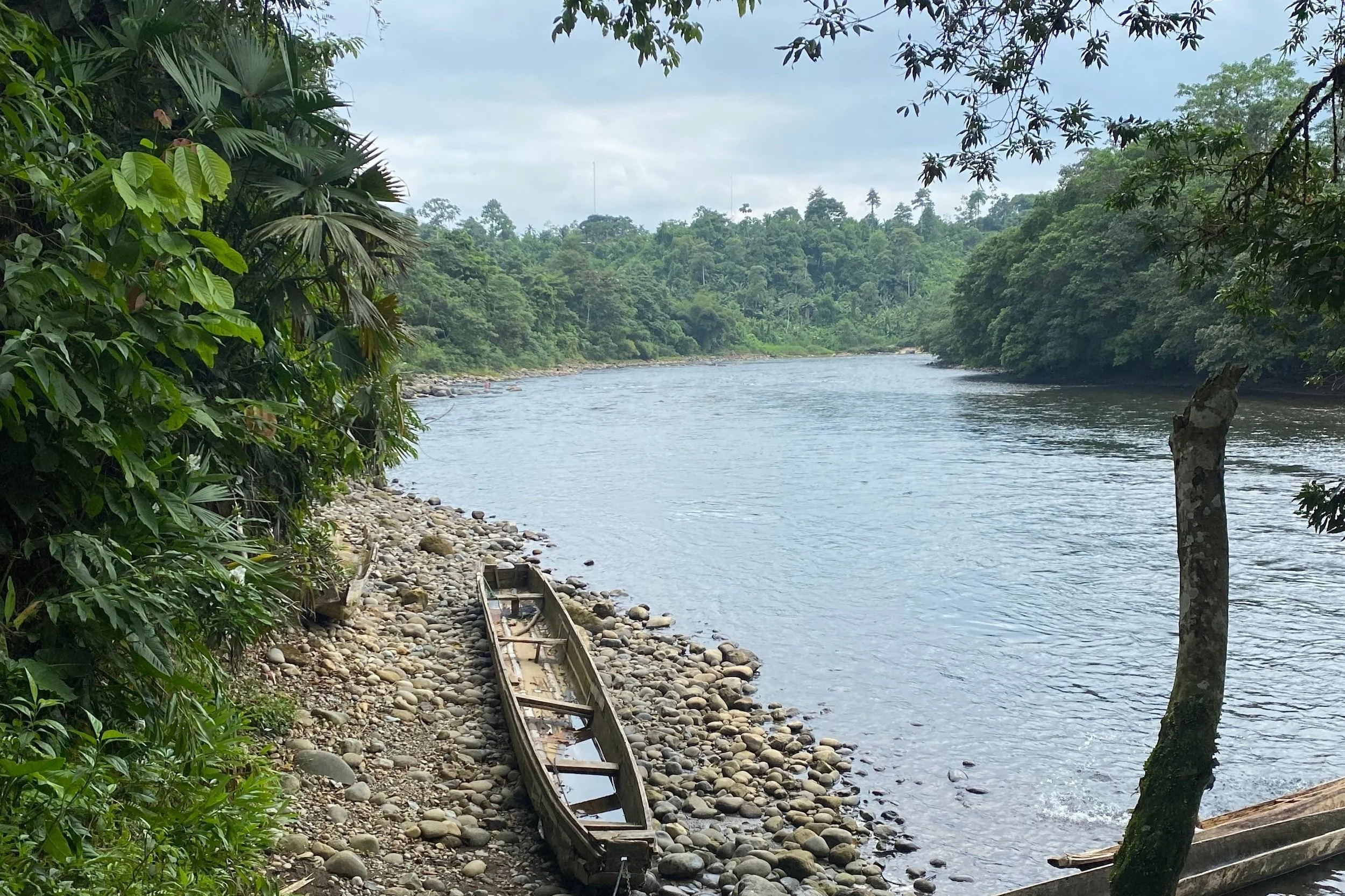
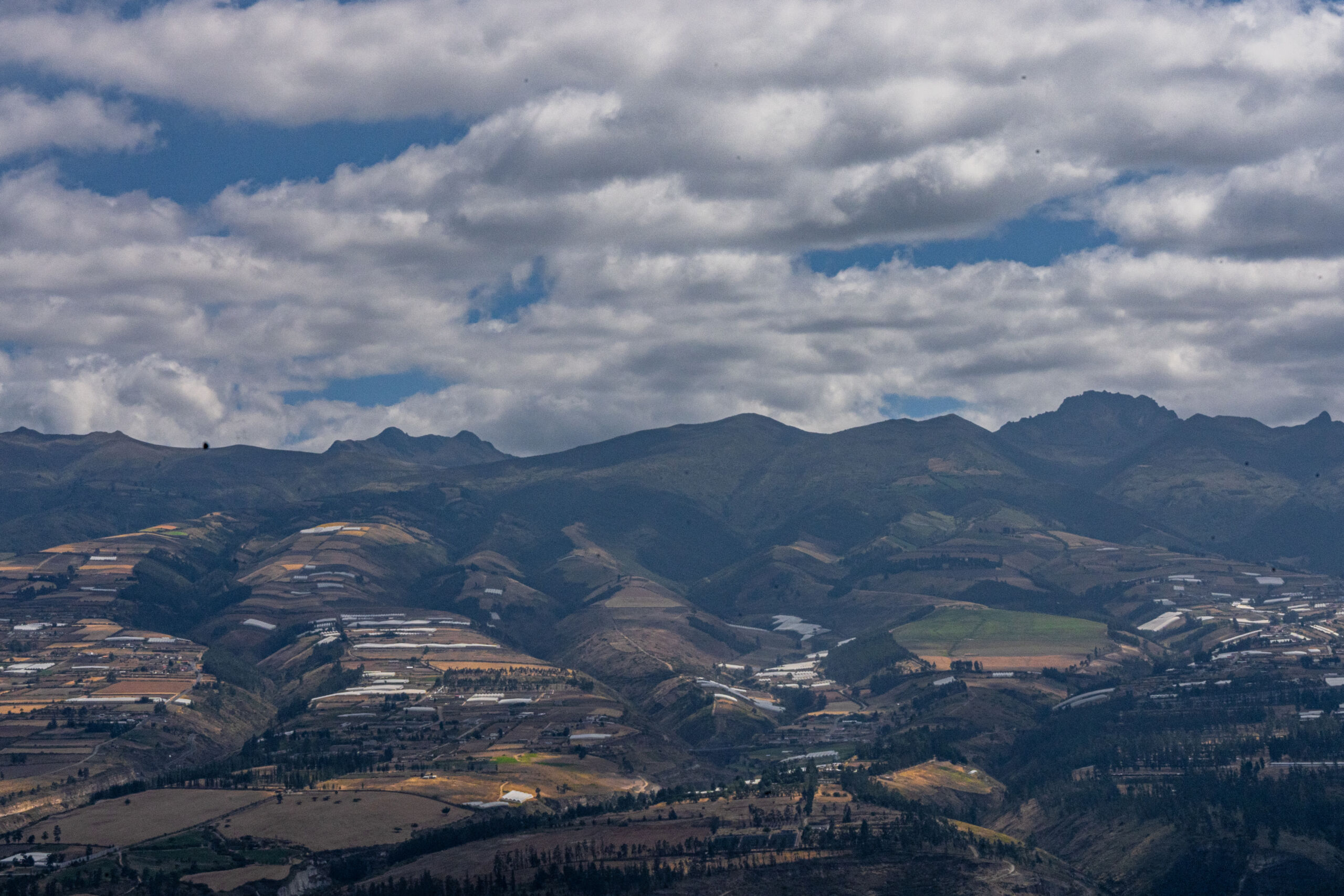
From the Amazon to the Andes and the Andean Chocó, ALIADOS works across some of Ecuador’s most biodiverse and threatened ecosystems, alongside farmer associations and enterprises seeking to increase farmer incomes while conserving their territories.
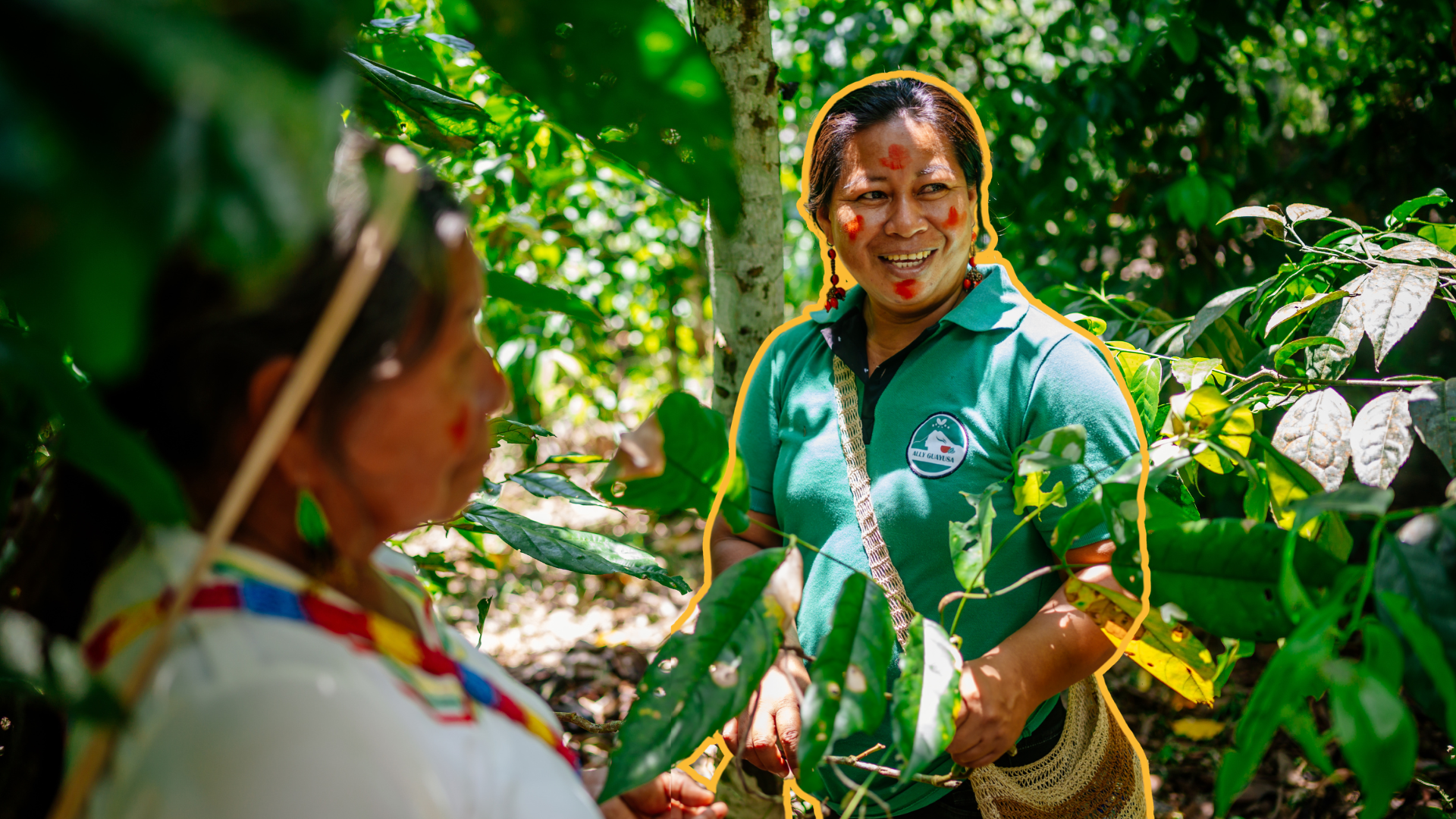
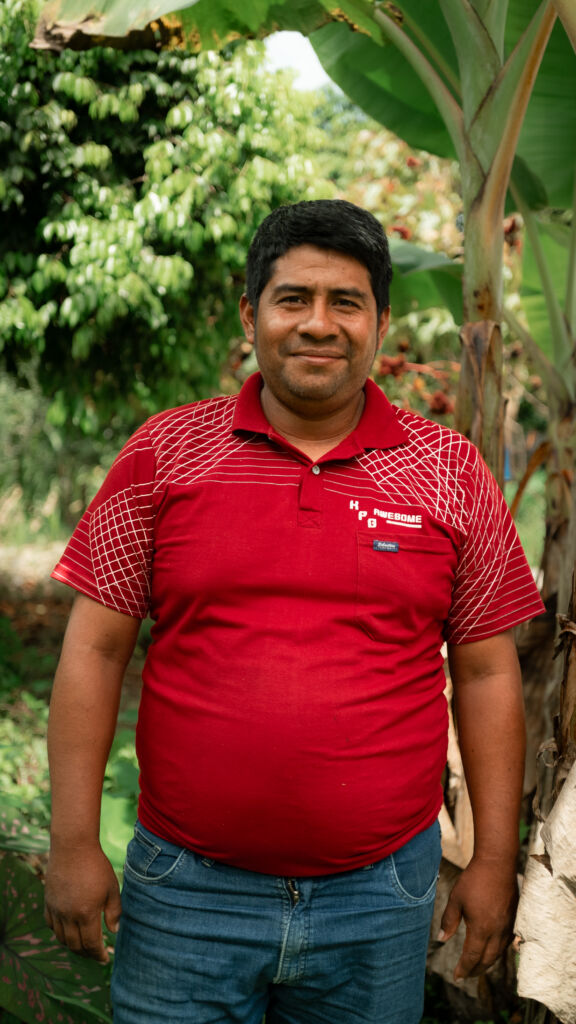
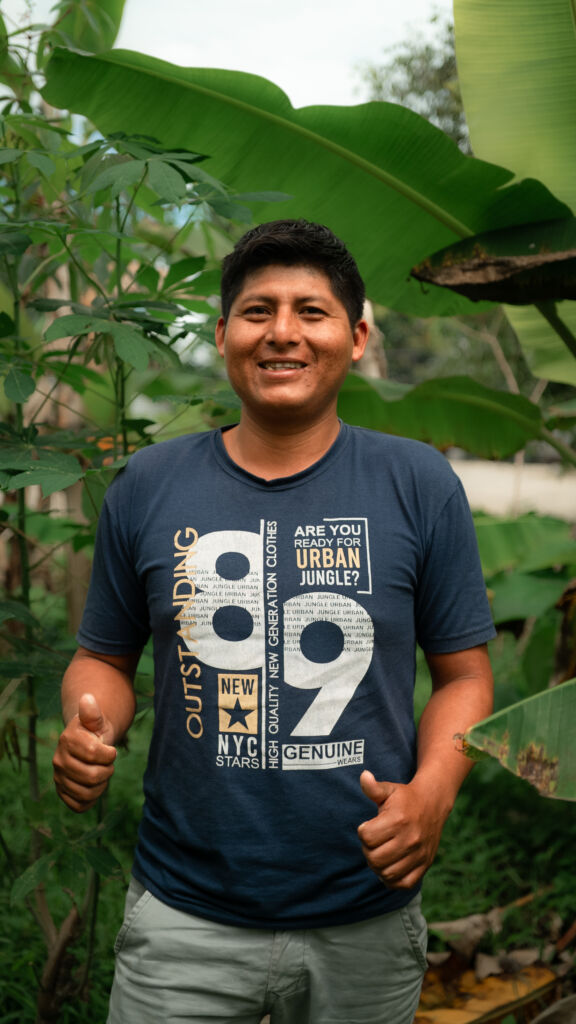
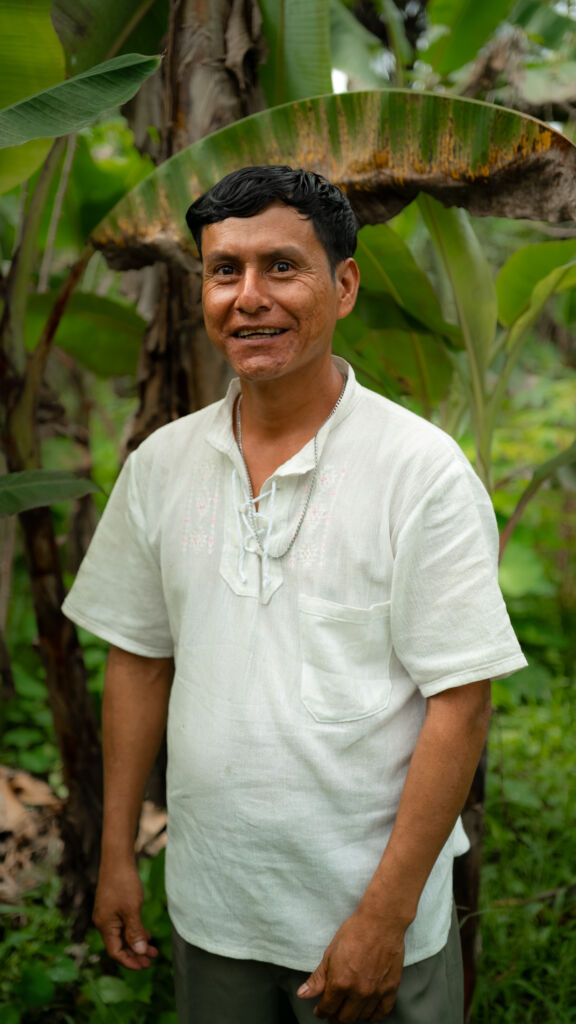
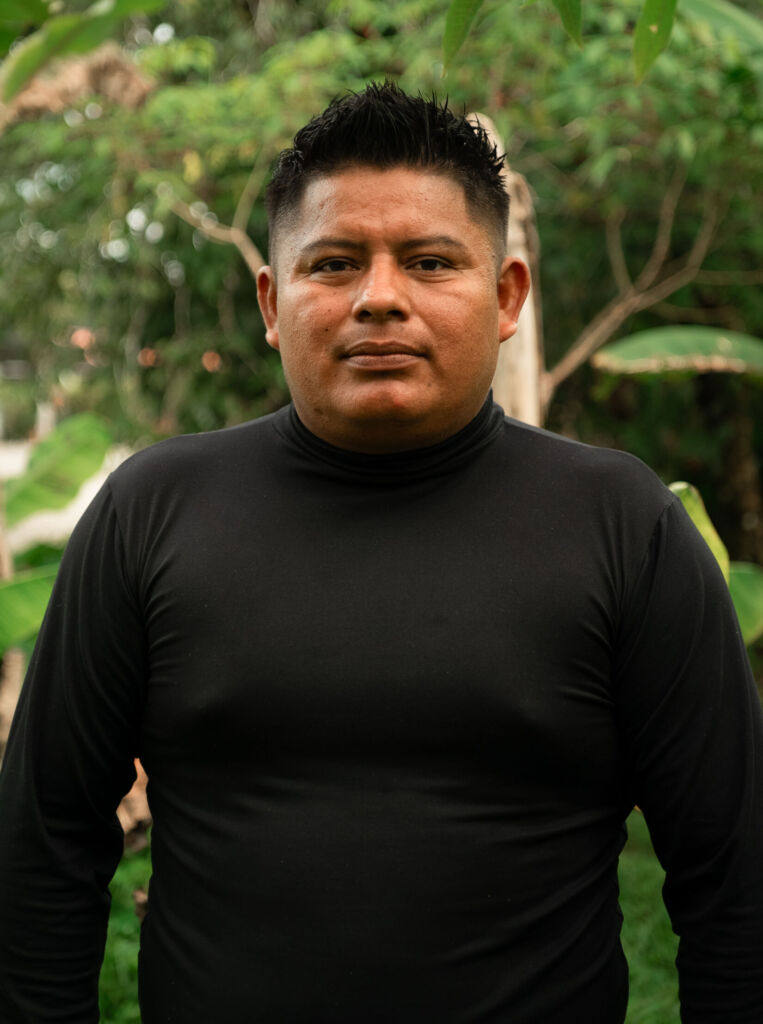
In Ecuador’s Amazonian lowlands, indigenous communities produce food and other crops within the forest through the indigenous chakra farming system, a traditional agroforestry system in which crops, medicinal plants, native trees, and other forms of biodiversity coexist.
Through the ALIADOS Center for Innovation and Investment, we partner with more than twenty bioeconomy enterprises seeking to improve farmer incomes from locally sourced agroforestry products while reducing pressure on ecosystems.
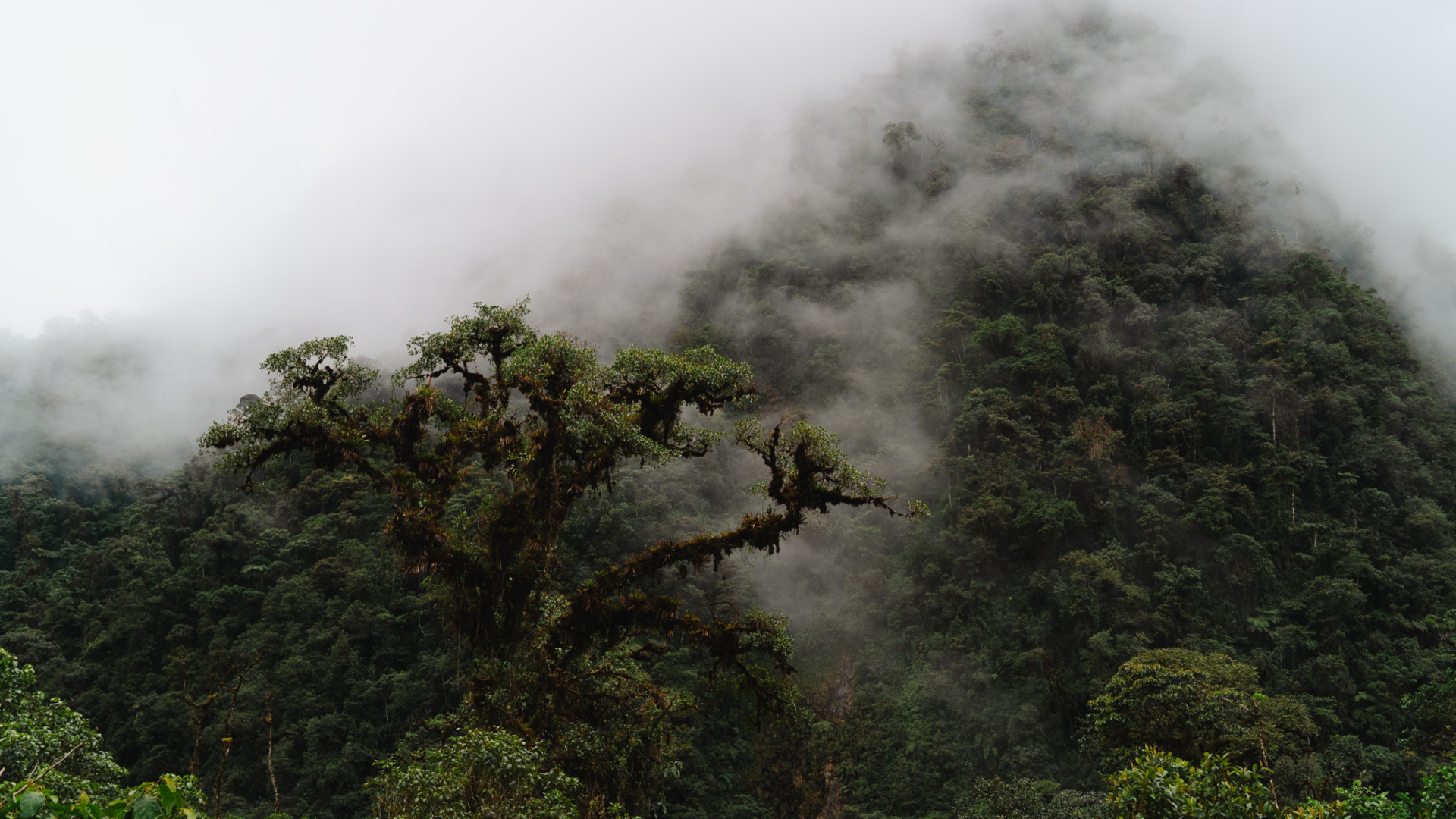
In the Ecuadorian Andes-Amazon, the mountains descend toward the Amazon, giving rise to cloud forests, mountain streams, and create unique endemism and natural corridors that provide habitat for emblematic species such as the Andean bear, mountain tapir, and Andean eagle.
In this landscape, ALIADOS works alongside communities, farmers, and local stakeholders to promote restoration of degraded land, regenerative agriculture, and biodiversity conservation.
The Choco-Andes lies along the western slopes of the Andes, where cloud forests, páramos, and rivers converge. This diversity of ecosystems supports species found nowhere else on the planet, but it is also one of the most threatened ecosystems in the region.
In this landscape, ALIADOS works alongside Chachi Indigenous communities and other farming partners in the Intag region to strengthen regenerative farming systems and bioeconomy that contribute to biodiversity conservation and sustainable local economies.
ALIADOS is also part of the Chocó–Andes Network, an alliance of Ecuadorian organizations coordinating efforts in community-based conservation, restoration, research, and sustainable livelihoods. The network seeks to conserve, restore, and connect 500,000 hectares of the Andean Chocó through locally led governance.
In the inter-Andean landscape north of Quito, ALIADOS works alongside indigenous and campesino farming families and associations transitioning to more diverse and regenerative production systems.
ALIADOS supports a farmer-led participatory research process - called Farmer Research Networks (FRN) - as these families grapple with market and climate shocks in search of more stable and resilient livelihoods.
Increase smallholder farmer income from regenerative agriculture in the Tropical Andes and Amazon.
Our Big Idea
We link farmers, local enterprises, finance, and markets to make regenerative agriculture pay. Together, we're building the missing bioeconomy infrastructure in tropical landscapes.
Vision
Resilient farming communities protecting the Tropical Andes and Amazon.
Our Values
Our values guide how we work and build lasting relationships with farmers, businesses, and other partners.
Team
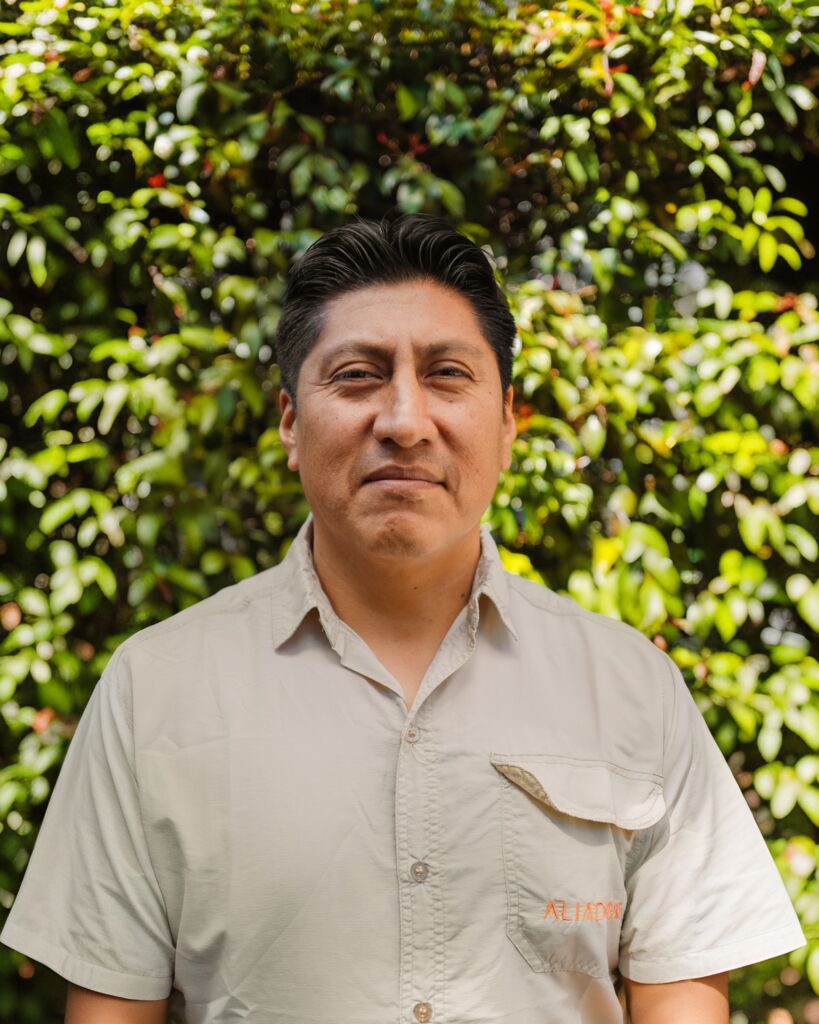
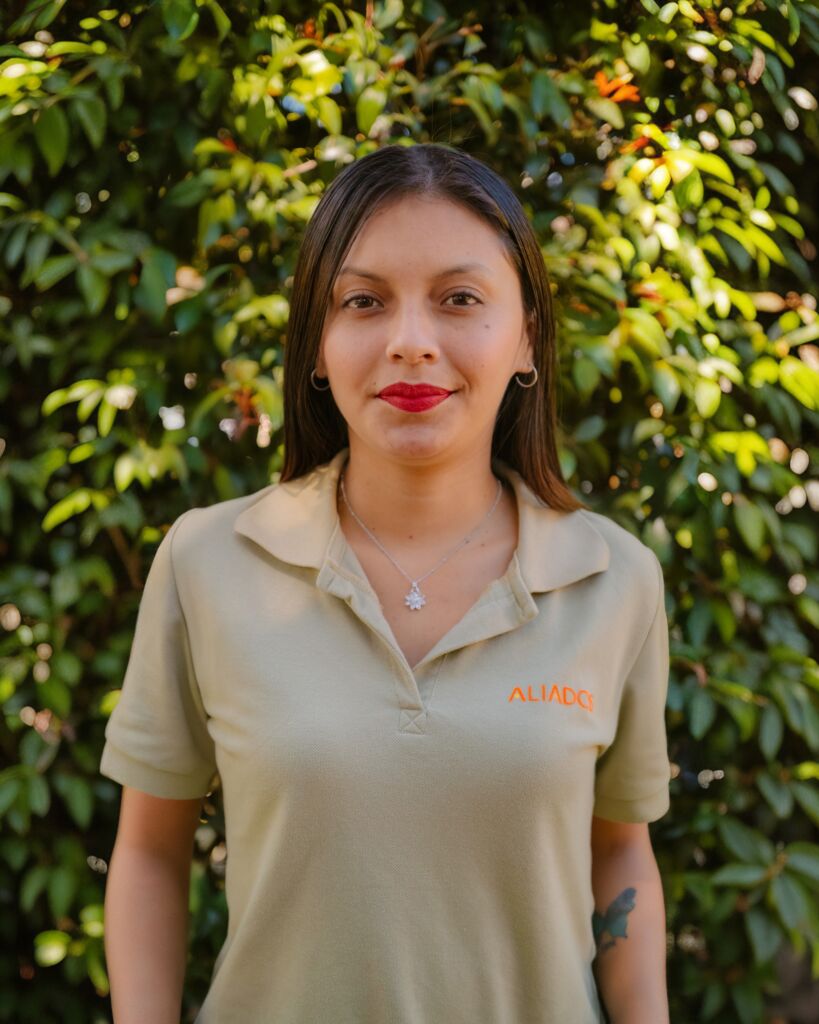
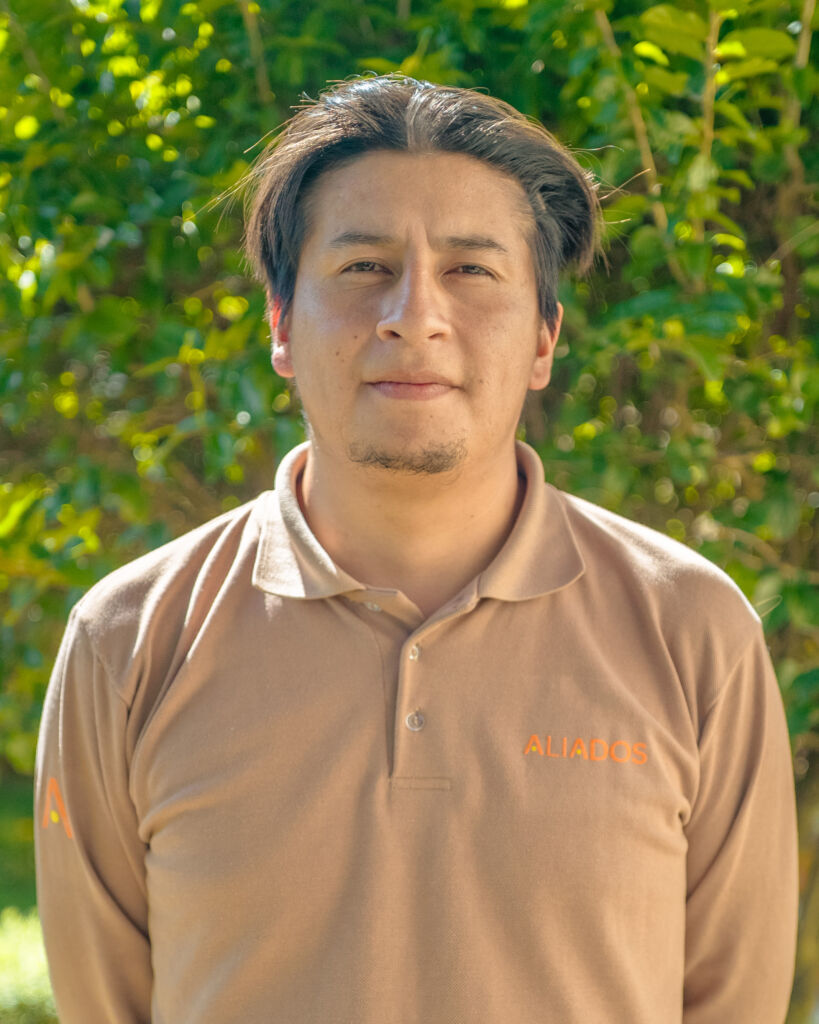
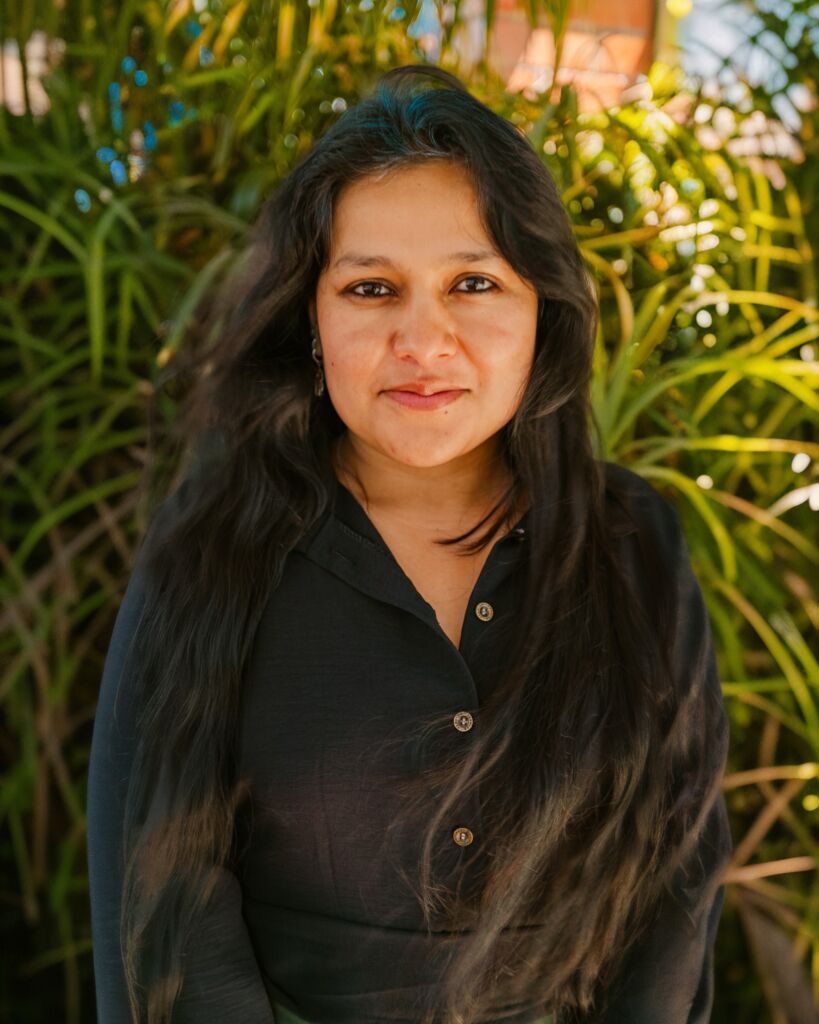
We work consistently alongside local communities and enterprises, donors, and other strategic allies. At ALIADOS, change is built collectively and rooted in the places that we work.
Resilience
We support processes that enable local actors to adapt to changes in the climate, markets, and other conditions. Strengthening resilience means creating better alternatives that can endure over time.
Collaboration
We bring diverse actors together to build solutions that no single sector could achieve on its own. Our work connects communities, businesses, funders, donors, technical teams, and local networks.
Vision
We believe in development without destruction. Our long-term vision is one in which production, conservation, and community well-being advance together.
Learning
We listen, adapt, and learn alongside the people who live in the landscapes where we work. Every experience in the field helps us improve our model and develop new approaches for the bioeconomy.